Best time to visit Hyatt Place Waikiki Beach — month-by-month advice
Best months to visit Hyatt Place Waikiki Beach are the shoulder seasons—April, May, September and early October—when weather is pleasant, crowds and prices are generally lower than summer. If you want the driest beach weather, visit during the dry season (May–October); for whale watching, visit January–March (and sometimes May).
In this guide
- Overview: what to expect year-round
- January–February: whale season and cooler trade-wind weather
- March–April: shoulder-season balance
- May–June: start of the dry season and reliable beach days
- July–August: busiest summer travel months
- September–October: second shoulder season (best balance)
- November–December: wetter season and holiday peaks
Overview: what to expect year-round
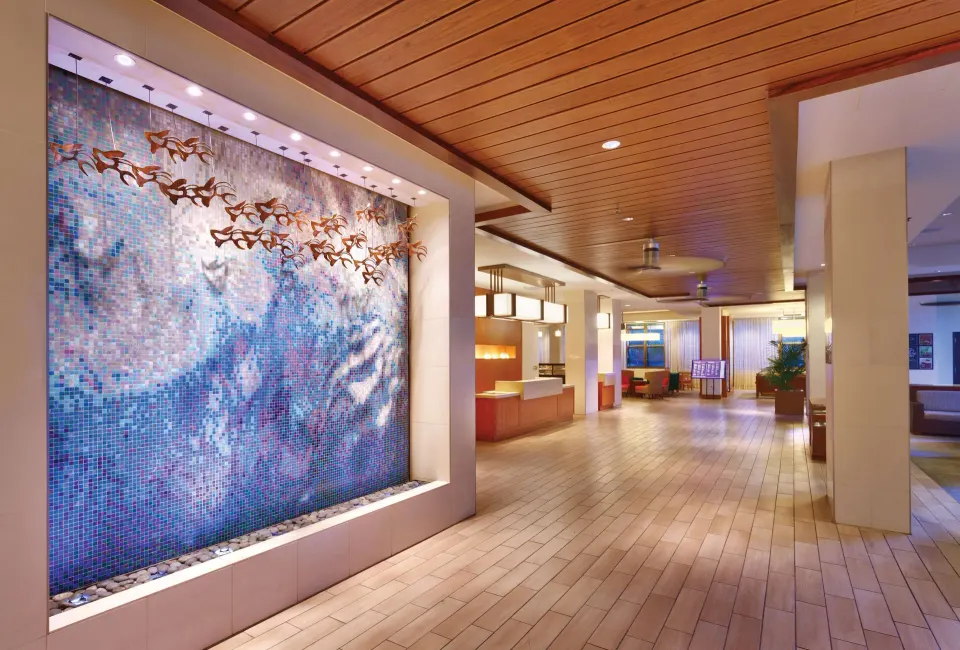
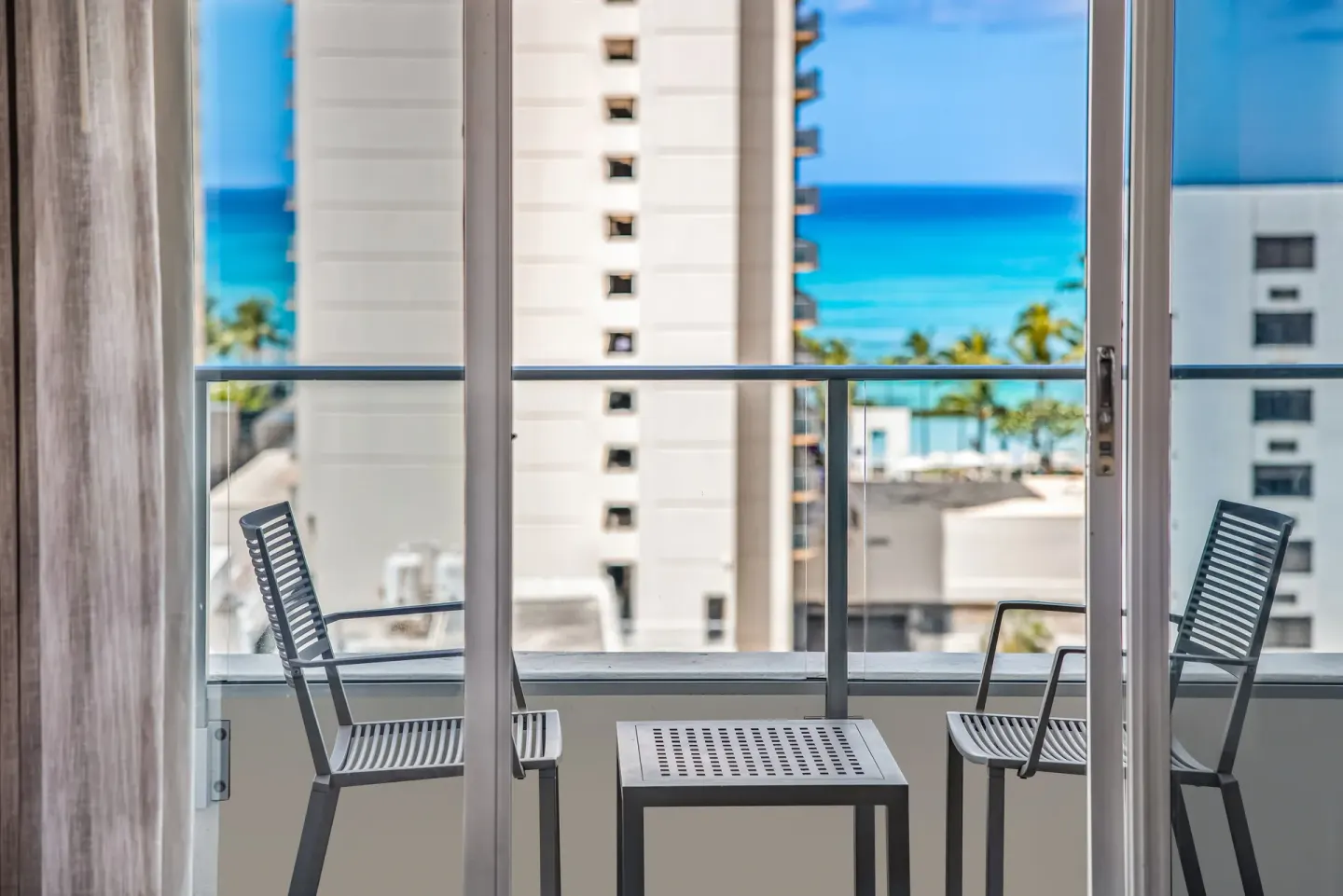
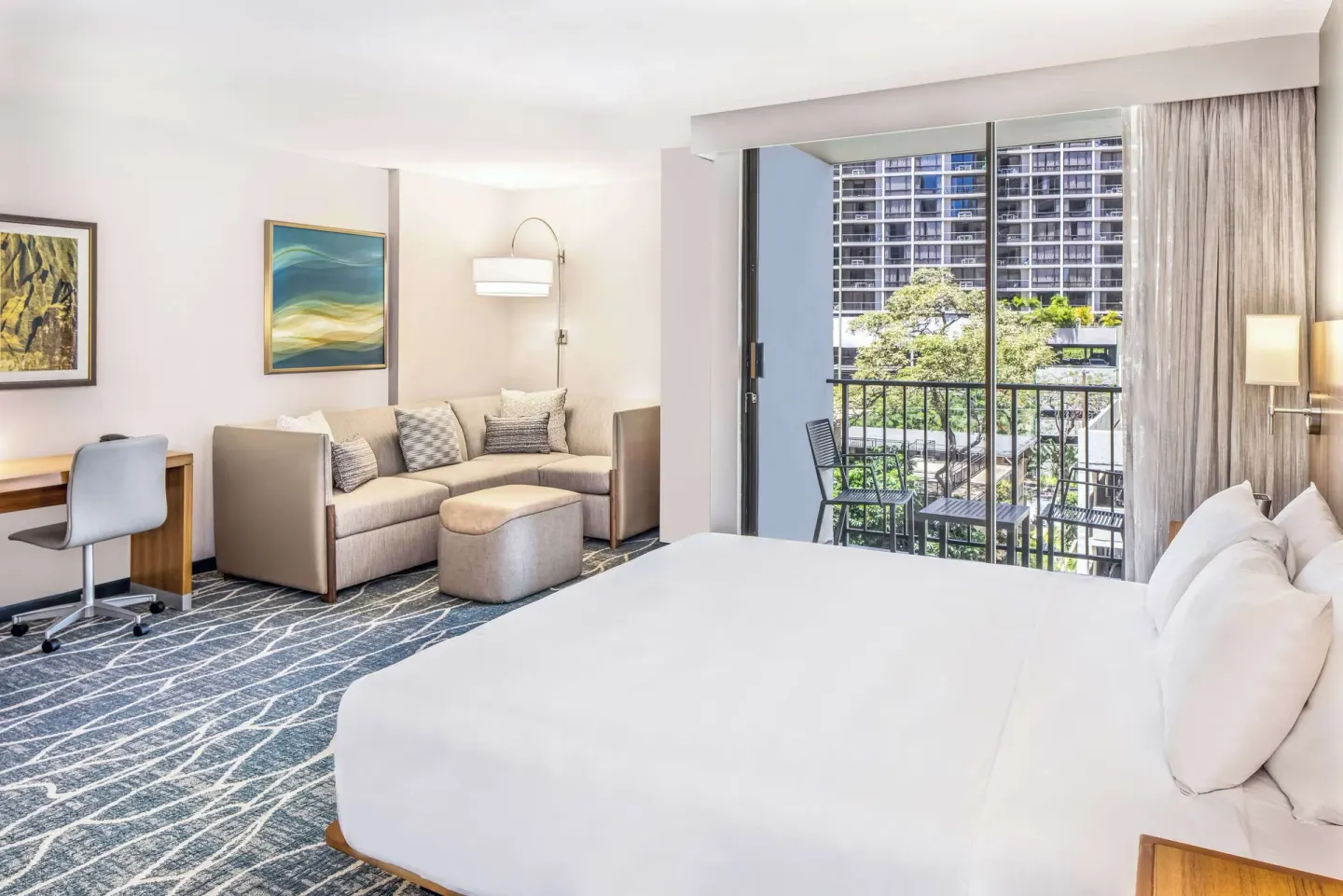
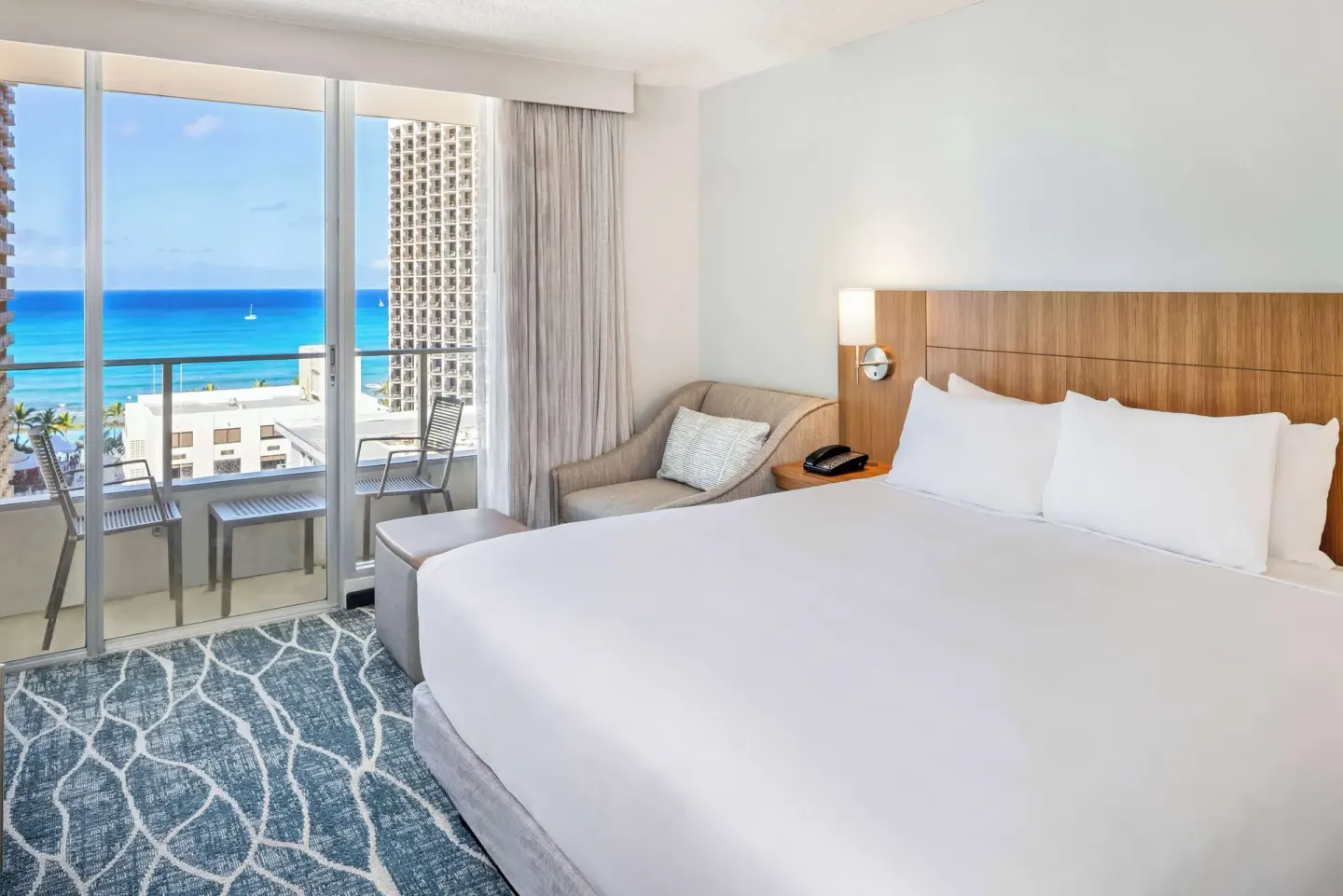
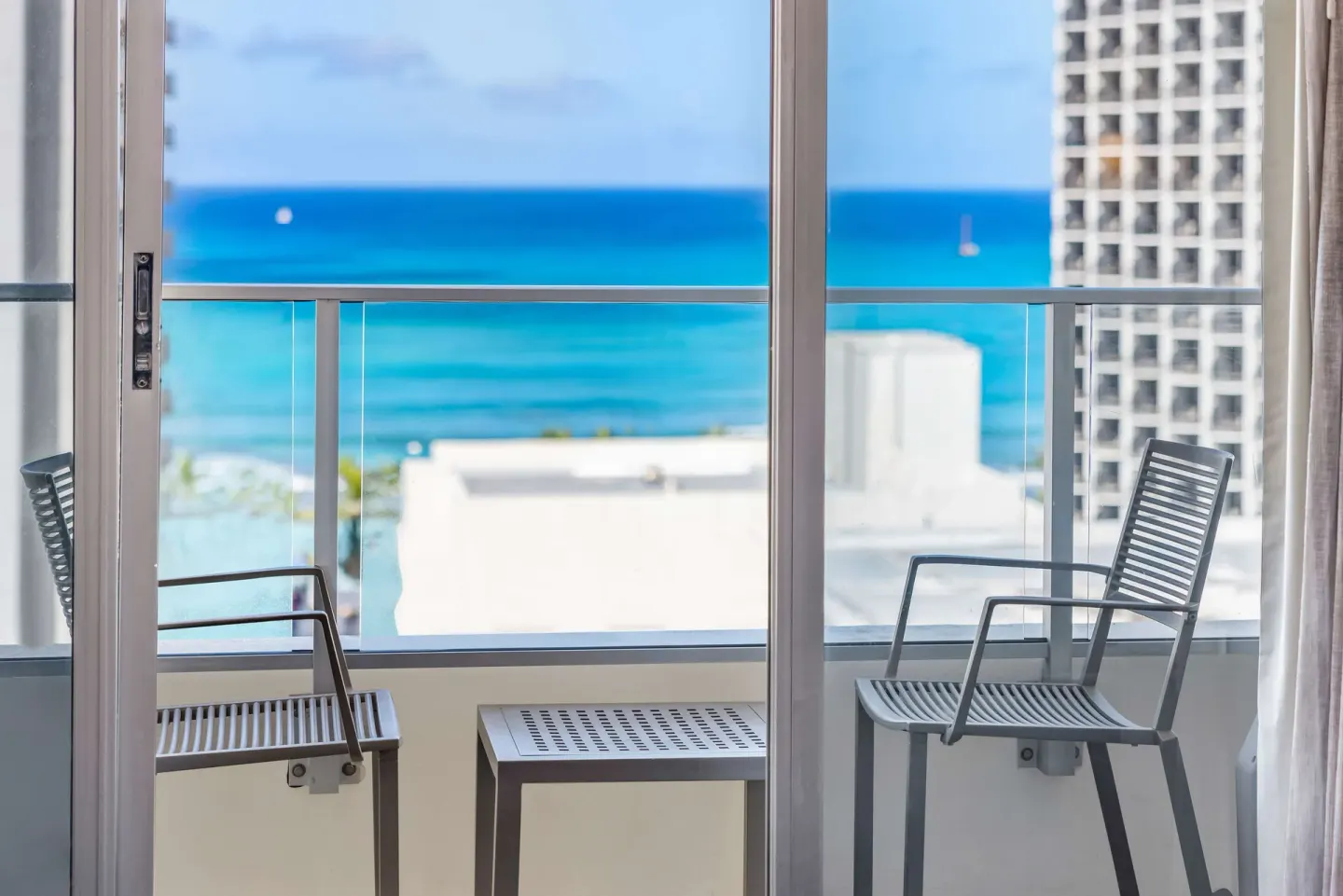
Hyatt Place Waikiki Beach sits on the Diamond Head end of Waikiki at 175 Paoakalani Ave, about a three-minute walk to Waikiki Beach. The hotel has 426 rooms across twin towers; every room includes a private balcony, flat-screen TV and a pull-out sofa.
On-site amenities that affect timing include a third-floor outdoor pool deck (open daily 10:00 a.m.–10:00 p.m.), a 24-hour fitness center with direct pool access, The Placery restaurant and a 24/7 Market. Check-in begins at 3:00 PM and check-out is by 11:00 AM.
- Daily complimentary hot breakfast included for all guests
- Pool deck hours: 10:00 a.m.–10:00 p.m.; fitness center open 24 hours
- Hotel is family-friendly; minimum check-in age is 18
| Nearby highlights | Typical time to visit from hotel |
|---|---|
| Waikiki Beach (walkable) | Any time — beach access year-round |
| Diamond Head State Monument (1.3 miles) | Morning visits recommended; advance timed entry required for non-residents |
| Honolulu Zoo & Kapiʻolani Park (short walk) | Good for families any season |
January–February: whale season and cooler trade-wind weather
January and February are part of the rainy season for Oahu, with higher chances of showers compared with summer months. These months also coincide with peak North Shore surf (November–February) and may be wetter inland.
If whale watching is your goal, January–March is one of the best windows for humpback sightings off Oahu. Expect more visitors to Waikiki during holiday periods, though weekdays outside holiday weeks can be quieter.
- Whale-watching season: January–March (sometimes sightings in May)
- Beach and water conditions: gentle Waikiki surf most days, larger surf on the North Shore
- Hotel note: pool and other hotel amenities operate year-round (pool 10 a.m.–10 p.m.)
| Consider if | Why |
|---|---|
| You want whale watching | January–March is prime season for humpback sightings |
| You prefer fewer beach-lounge days | Trade-wind cooled temperatures and more showers compared with summer |
| You’re booking holiday travel | Expect higher demand around New Year’s; rates and occupancy typically rise |
March–April: shoulder-season balance
March and April move toward drier, sunnier conditions. April is commonly recommended as a shoulder month because it combines good weather with lower crowds and more moderate rates than peak summer.
This period is also convenient for planning hikes such as Diamond Head (about 1.3 miles from the hotel), when temperatures are comfortable in the mornings; note that Diamond Head requires an advance timed-entry reservation for non-residents.
- April is one of the recommended shoulder months for weather, crowds and prices
- Diamond Head trail: typically 1.5–2 hours round trip; book timed entry in advance
- Hotel perks: daily hot breakfast and included beach chairs/towels make quick beach days easy
| Hotel room tips | Why pick it |
|---|---|
| City View Room or Mountain View Room | Lower likelihood of paying Ocean View premium while still close to beach |
| 1 King Bed Ocean View Premium (Sofa Bed) | If you want more space and an ocean view during shoulder-season rates |
| 2 Queen Bed Ocean View Premium (Sofa Bed) | Good for families who want balcony ocean views and extra sleeping space |
May–June: start of the dry season and reliable beach days
May marks the start of Oahu’s drier months. May and June often deliver predictable beach weather and are still part of the broader shoulder period before summer crowds peak in late June–July.
Because these are drier months, they’re good for snorkeling, surfing lessons in Waikiki’s gentle waves and outdoor activities like the Diamond Head hike or strolling Kapiʻolani Park.
- Dry season runs roughly May–October—more sun, fewer showers
- May is listed among the best months to visit Oahu for weather and moderate crowds
- If you want a quieter stay with reliable beach weather, May or early June are good choices
| What to expect | How it affects your stay |
|---|---|
| Warmer temps and drier days | More beach and water-activity time |
| Fewer rain interruptions | Pool and balcony use more likely daily |
| Crowds rising toward summer | Book popular room types early (Ocean View Room and Premium categories) |
July–August: busiest summer travel months
June through August is Honolulu’s busiest season; hotels and airlines typically have higher demand and rates during school summer vacations. Expect more people on Waikiki Beach and along Kalākaua Avenue.
If you must travel in peak summer, reserve rooms and any special views early. Ocean-view options and premium room types fill quickly in this period.
- Peak travel season: higher occupancy and frequently higher rates
- Best for families on school break who need beach-weather certainty
- Book early for specific room types such as Ocean View Room, 1 King Bed Ocean View Premium (Sofa Bed) or 2 Queen Bed Ocean View Premium (Sofa Bed)
| Booking tip | Why it matters |
|---|---|
| Reserve Ocean View and Premium rooms early | Higher demand for balconies and ocean-facing rooms in summer |
| Consider weekday stays | Weekdays can be slightly less busy than weekends for beach access and dining |
| Expect busy pool deck and public spaces | Plan morning pool or beach visits to avoid mid-day crowds |
September–October: second shoulder season (best balance)
September and early October are another recommended shoulder window. Weather remains warm and generally dry, but crowds and rates usually ease after the summer peak.
This period is well suited to travelers who want good beach weather without the highest summer prices. It’s also convenient for booking excursions like Hanauma Bay or day trips to the North Shore with less congestion than July–August.
- September and early October are listed among the best months to visit Oahu
- Good combination of warm weather and lighter crowds than midsummer
- Ideal time to choose Ocean View Room or Premium categories for better value
| Ideal for | Reason |
|---|---|
| Couples and adults without school-year constraints | Lower crowds and pleasant weather |
| Families seeking value | Better rates than peak summer but still great beach days |
| Beach and outdoor activity plans | Drier weather reduces chances of rainouts |
November–December: wetter season and holiday peaks
November through April is Oahu’s wetter season, with December and January often the wettest months. Showers can be frequent but are commonly interspersed with sunny periods.
Late November into December includes holiday travel spikes where rates and occupancy increase. If you plan a winter visit, balance flexibility with advance bookings for your preferred room type and travel dates.
- Rainy season runs roughly November–April; December and January see higher rainfall
- North Shore surf peaks November–February (big-wave season)
- Holiday weeks (late November–early January) often bring higher demand—book early
| What to expect | Hotel practicalities |
|---|---|
| More showers and occasional storms | Pack a light rain layer; pool remains open (10 a.m.–10 p.m.) |
| Holiday demand | Reserve rooms and any special dining reservations ahead of time |
| Whale watching opportunity | January–March is prime for humpback sightings |